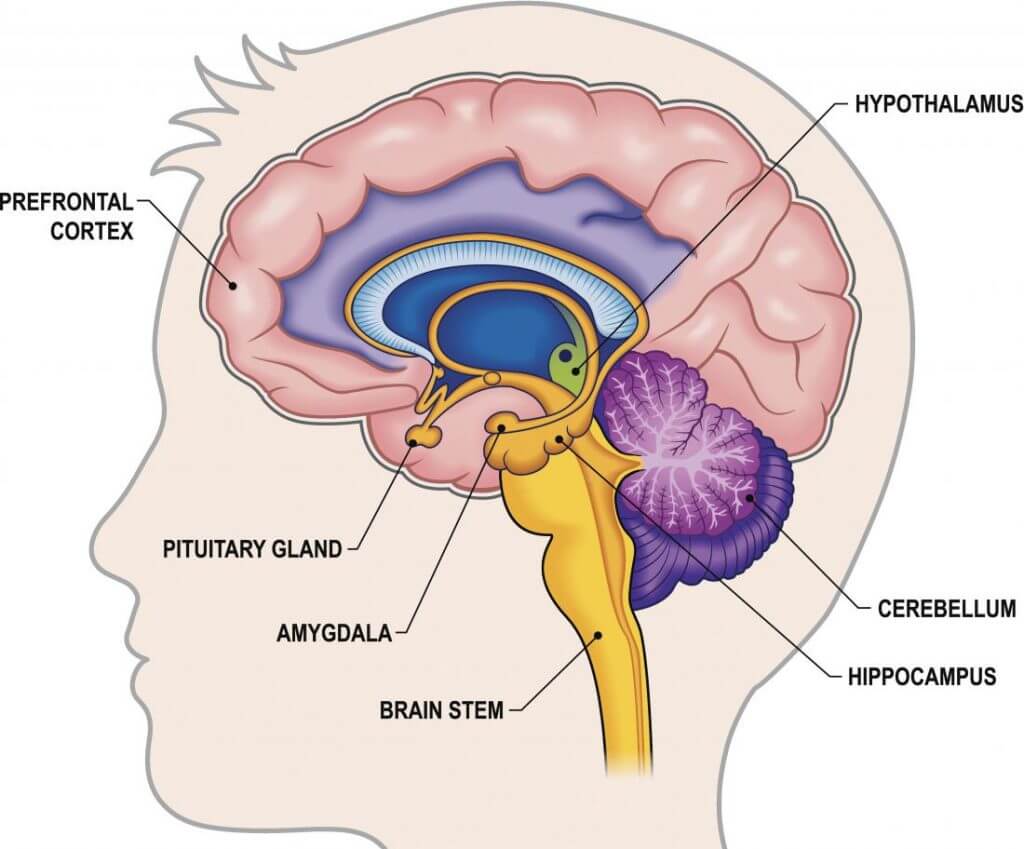
Assuming you do have a hippocampus, what happens to this part of your brain when you exercise?
A ground-breaking study conducted by Erikson et al. (2013) showed, in a randomized trial with 120 adults, that the increase in the size of the anterior hippocampus of 2% (provoked by aerobic training), improved the spatial memory of the participants.
This means that exercise increases the ability of people to recall information. In neuroscience and psychology, spatial memory refers to a type of memory that involves spatial orientation, the recalling of the location of objects, and where specific events unfolded.
Coles and Tomporowski (2008) also document how exercise consolidates information into long-term memory in the brain. If you think that only regular and persistent exercise will impact brain health and memory, you are wrong. The good news is that the gap to ‘better brain health’ is not as drastic as you may think.
A study carried out by Roig et al. (2012) showed how one intense single workout session—either performed immediately after or before forming a motor skillset—could improve the long-term retention of a motor skill.
This led the authors to conclude that the timing of exercise, in relation to learning, plays an essential role in the memorization process.
Are you feeling inspired? Hang on a bit more before going on that hike. It’s not over.
How Does Exercise Improve Concentration and Remove Brain Fog?
Brain fog, also known as ‘clouding of consciousness’ is when people experience a degree of cognitive impairment. Symptoms may include poor focus, lack of concentration, and difficulty remembering things.
It can last minutes to decades, depending on the cause.
Doctor Aviva Romm (2017) outlines ten different possible causes that may lie at the root of cloudy thinking or brain fog:
- Stress, overwhelm, and distraction
- Fatigue
- Blood sugar imbalances
- Depression and anxiety
- Gut microbiome disruption
- Nutritional deficiencies
- ‘Brain-flammation’
- Hormonal shifts
- Thyroid and adrenal imbalances
- Side-effects of medication
The reason why it may happen is wide and varied. It is unlikely that exercising alone will remove brain fog entirely.
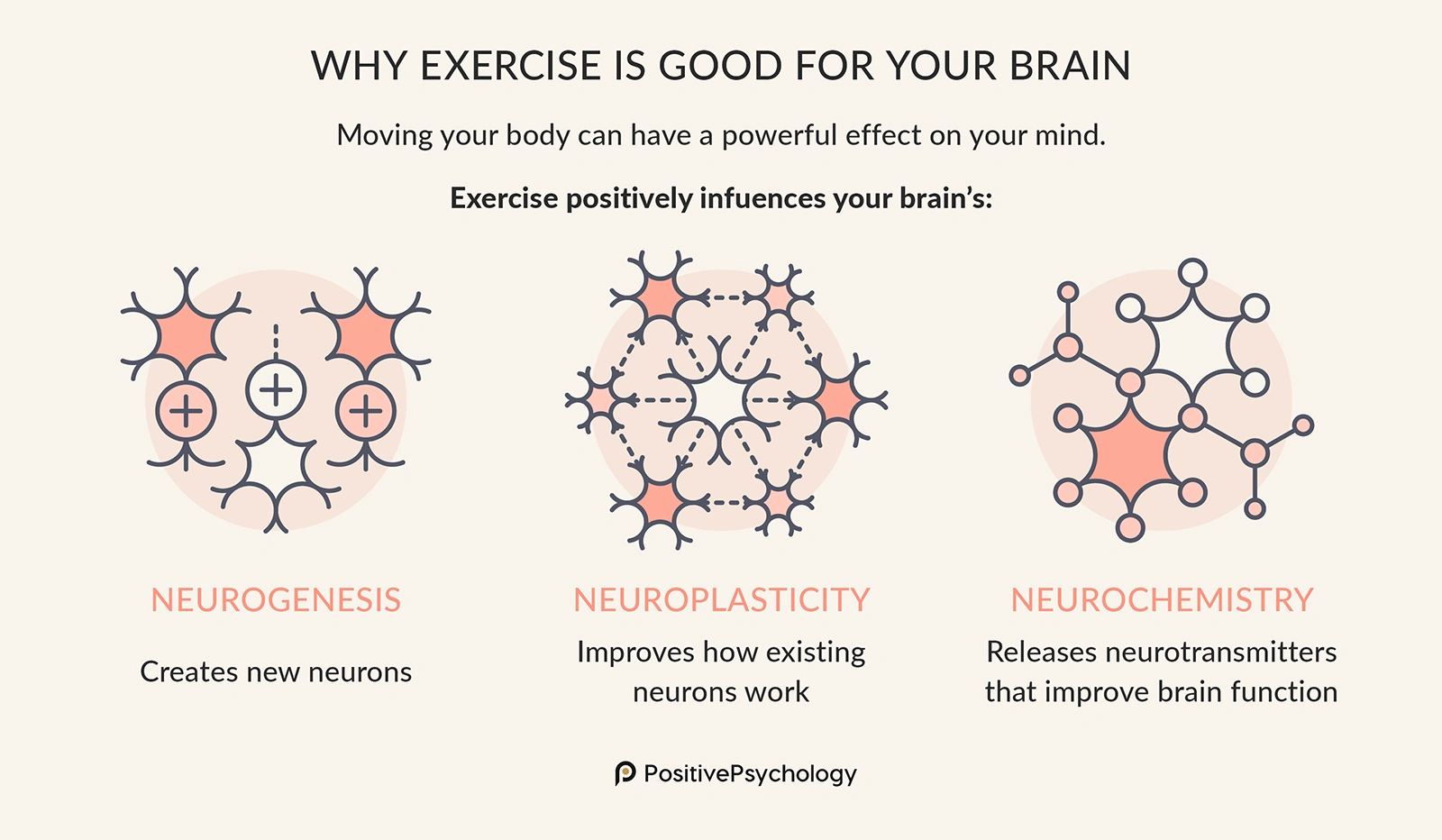
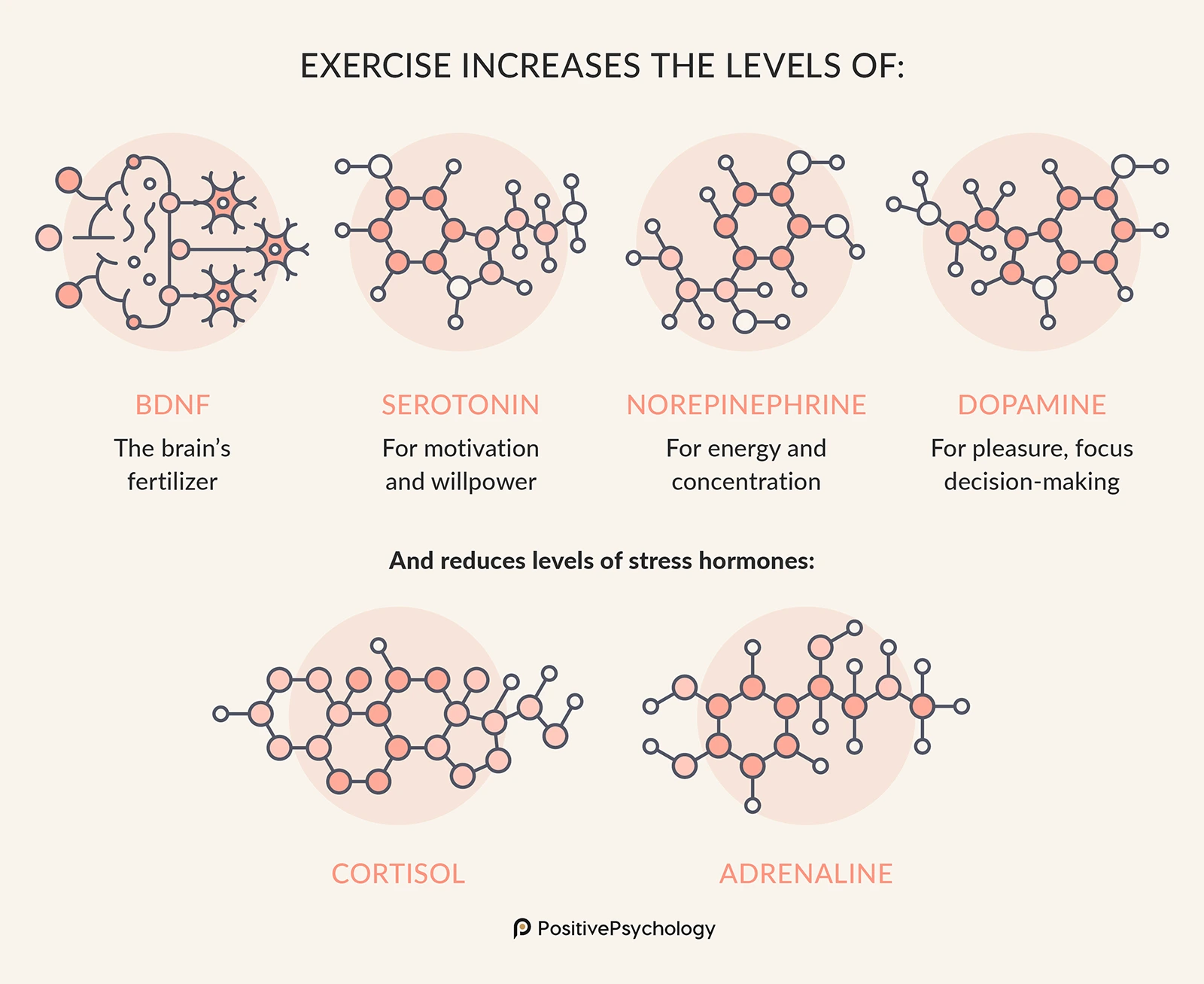
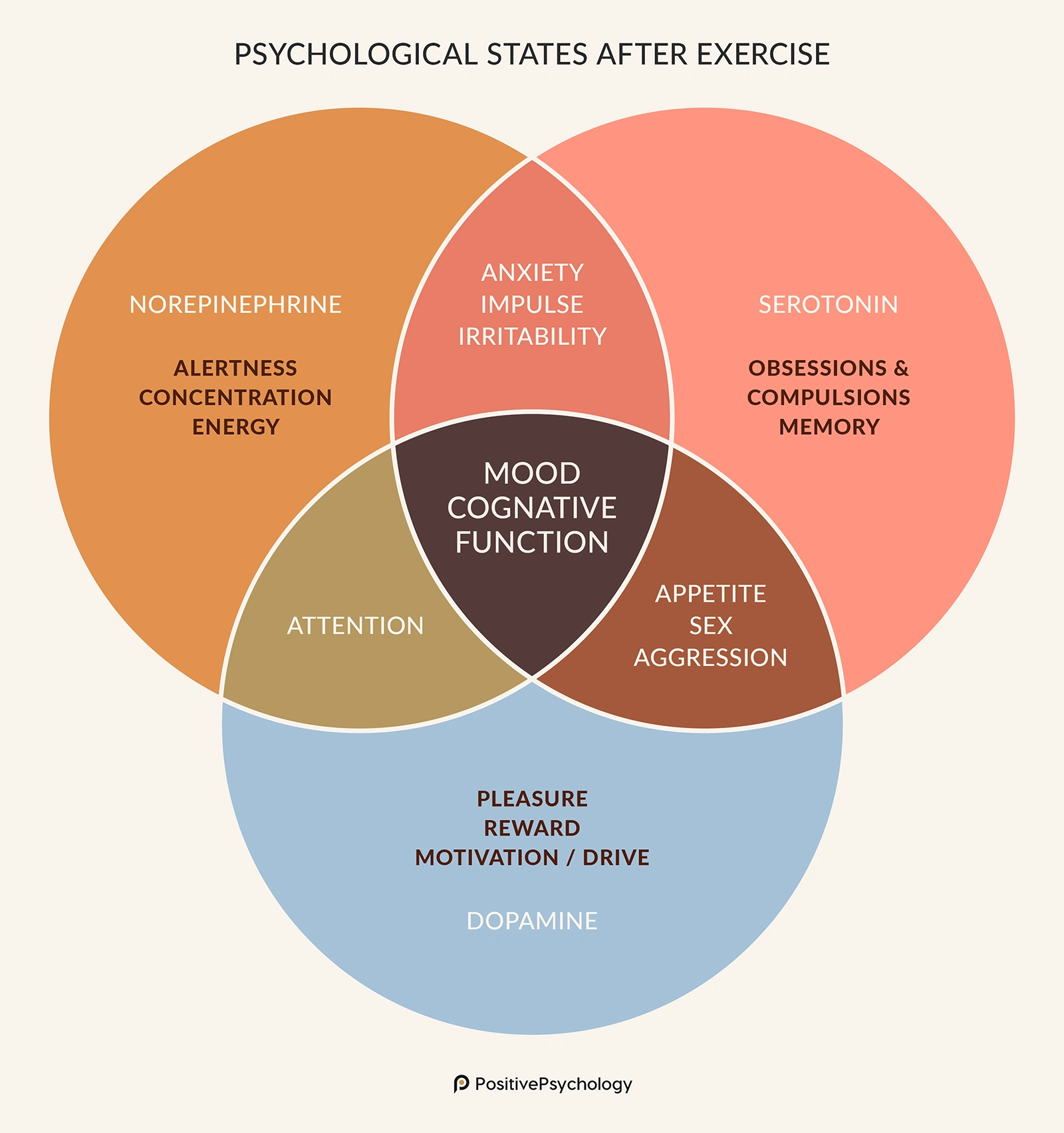
But because physical activity improves memory and learning, it also activates different parts of the brain and enables the release of the BDNF chemical and norepinephrine neurotransmitters; these increase alertness, concentration, and energy.
By taking walks regularly or exercising at a higher intensity, you are nurturing a healthier brain.
What Can Physical Activity Do For Neurological Problems?
 In 2013, the fifth edition of the DSM (Diagnostic and Statistical Manual of Mental Disorders, the ‘psychiatric bible’) was published. In this manual, hundreds of psychological disorders are described, to help identify and alleviate a person’s psychological struggle.
Historically, the manual has received criticism: what if ‘disorders’ are just different expressions of the range of emotions and psychological states of human nature?
The National Institute of Mental Health (NIMH) also criticized how the manual tends to define disorders based on symptoms, not scientific data.
In the last decades, there seems to have been a surge in diagnosable illnesses: the Adult Psychiatric Morbidity Survey (APMS) conducted in 2014 revealed that each week in the UK, 1 in 6 adults experiences a common mental health problem, such as anxiety and depression.
The survey also indicated that 1 in 5 adults has contemplated committing suicide during their lifetime. Meanwhile, profits of big pharma companies have gone through the roof, competing with the profits of great banks (Anderson, 2014).
While some people really do need medicinal help with mental disorders, other people might be suffering from their disorder and the manipulation of pharma companies profiting from their medicalized status.
Currently, much biological depression is eased by antidepressants, anxiety by benzodiazepines, ADHD by amphetamines, insomnia by benzodiazepines, and a range of other psychoactive drugs (Berezin, 2015).
Berezin offers a fresh look: neurological imbalances need more assistance than these drugs offer. To him, these are human issues.
How can the field of psychology treat a human issue? It is not a simple answer, but it can begin by considering the human story where meaning, purpose, and suffering connect.
Psychotherapy is not always enough. It may feel cathartic to discuss raw emotions and patterns with a licensed therapist, but the body needs to heal alongside the mind.
Thus, exercise again plays a vital role in healing certain states of suffering.
Cooney et al. (2013) for instance, famously argued that the neurological benefits of exercise are more effective in managing depressive symptoms than psychoactive treatments.
The study was limited to a few small trials, but they consistently indicated that exercise was the best treatment for patients experiencing depression—and without the common side effects of antidepressants.
Another study published in the American Journal of Psychiatry (Harvey et al., 2018), monitored 33,908 Norwegian adults for 11 years; the results confirmed that just one hour of exercise a week could mitigate depression.
From what this article explains about the brain so far, you may be able to fathom how exercise changes the neural plasticity of the brain.
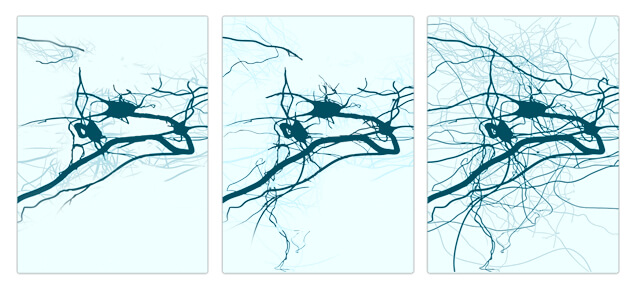
With increased neural plasticity, the brain can recover after disorders and injuries, and thereby reduce the effects of devastating neurological illnesses such as Multiple Sclerosis, Parkinson’s disease, cognitive deterioration, Alzheimer’s, dyslexia, ADHD, insomnia.
Blood Circulation and Cognitive Functioning
Blood circulation—which continuously transports nutrients to the brain, skin and vital organs—is also critical to brain and body health. When you exercise, you help circulate blood throughout your body.
Varicose veins, kidney disease, and stroke are all related to limited blood circulation. Research confirms that blood viscosity shows a correlation with age-related cognitive impairment, and conditions such as dementia (Schwarb et al., 2017).
In the brain of a healthy and active person, the hippocampus is firm and flexible, characteristics which are the direct outcomes of regular exercise.
When there is a decrease in blood flow, the hippocampus cannot perform key functions, such as storing and recalling information.
A study conducted by epidemiologists in Sweden (Abert et al., 2019) studied 1.2 million boys born in 1950 and tested the cardio (ergonometric) of the participants twice.
The first time the boys were tested was when the students finished compulsory school at age 16; the second time was when they were about to enter the military at age 18.
The study aimed to examine the correlation between physical activity and cognitive performance, as well as the specific interactions of cardiovascular fitness and muscular strength on cognitive performance.
Conclusions were astounding.
The young men who sustained their aerobic practice in their high-school years increased their IQ and cognitive performance on tests. Many later studies reviewing young athletes in school, find hopeful correlations between certain sports and positive academic performance.
You do not have to be a professional student-athlete to reap the brain and circulatory benefits of fitness.
Even people who engage in mild forms of exercise, like gardening, are 50% less likely to suffer from age-related neurological conditions (HeadSqueeze, 2014).
If intense exercise is not your personal gateway to health, perhaps mild exercise can bring your brain a breath of the oxygen-rich air.
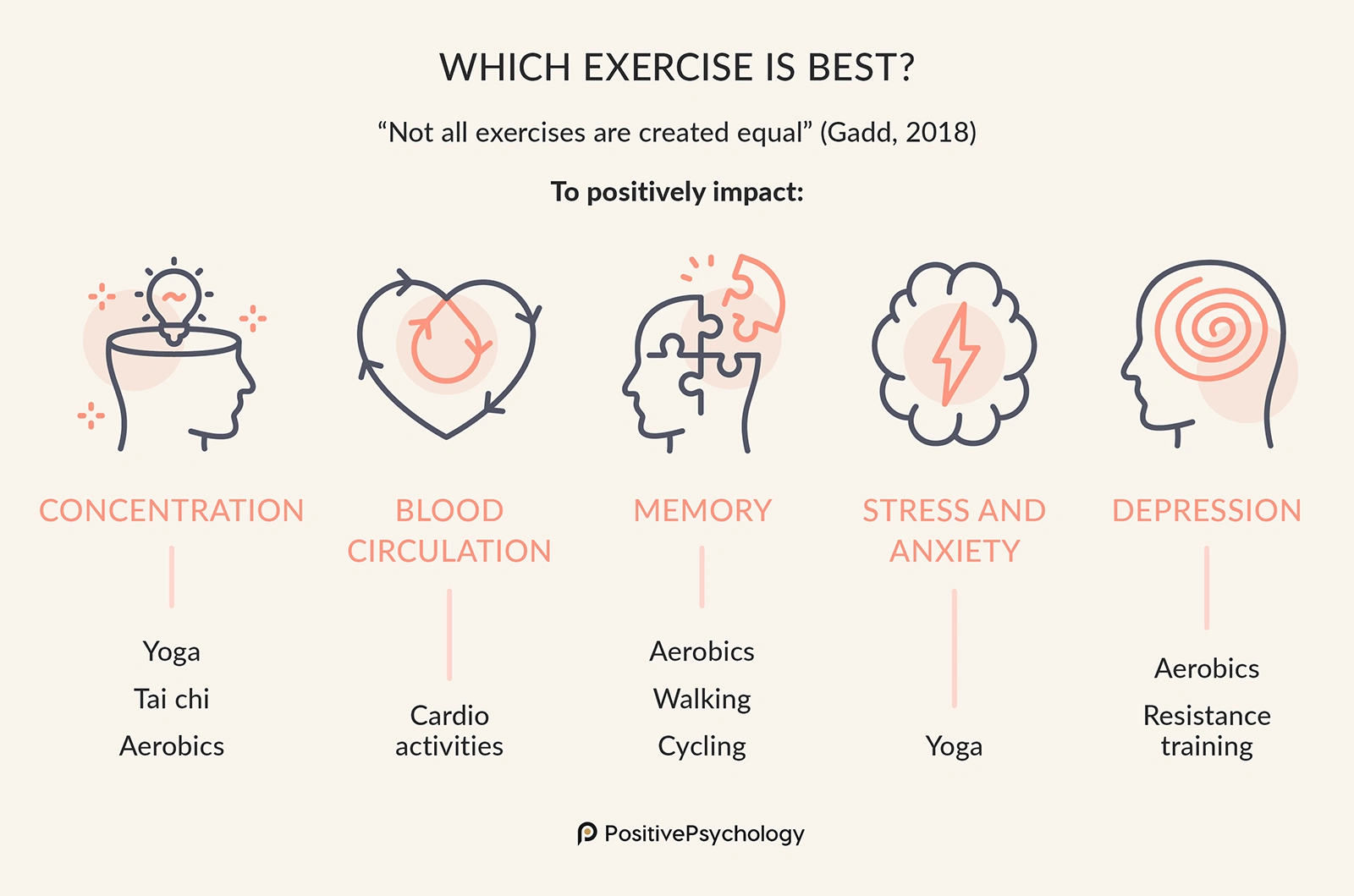
The Best Exercises to Build Brain Health?


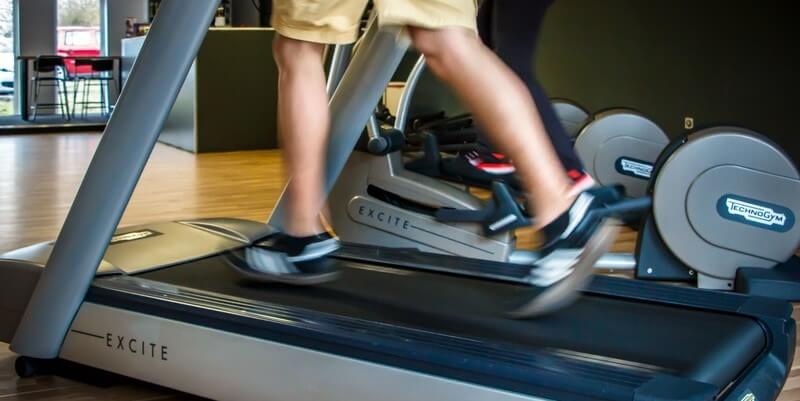
 Perhaps you have a rough idea about how exercise affects your health, weight, and energy levels.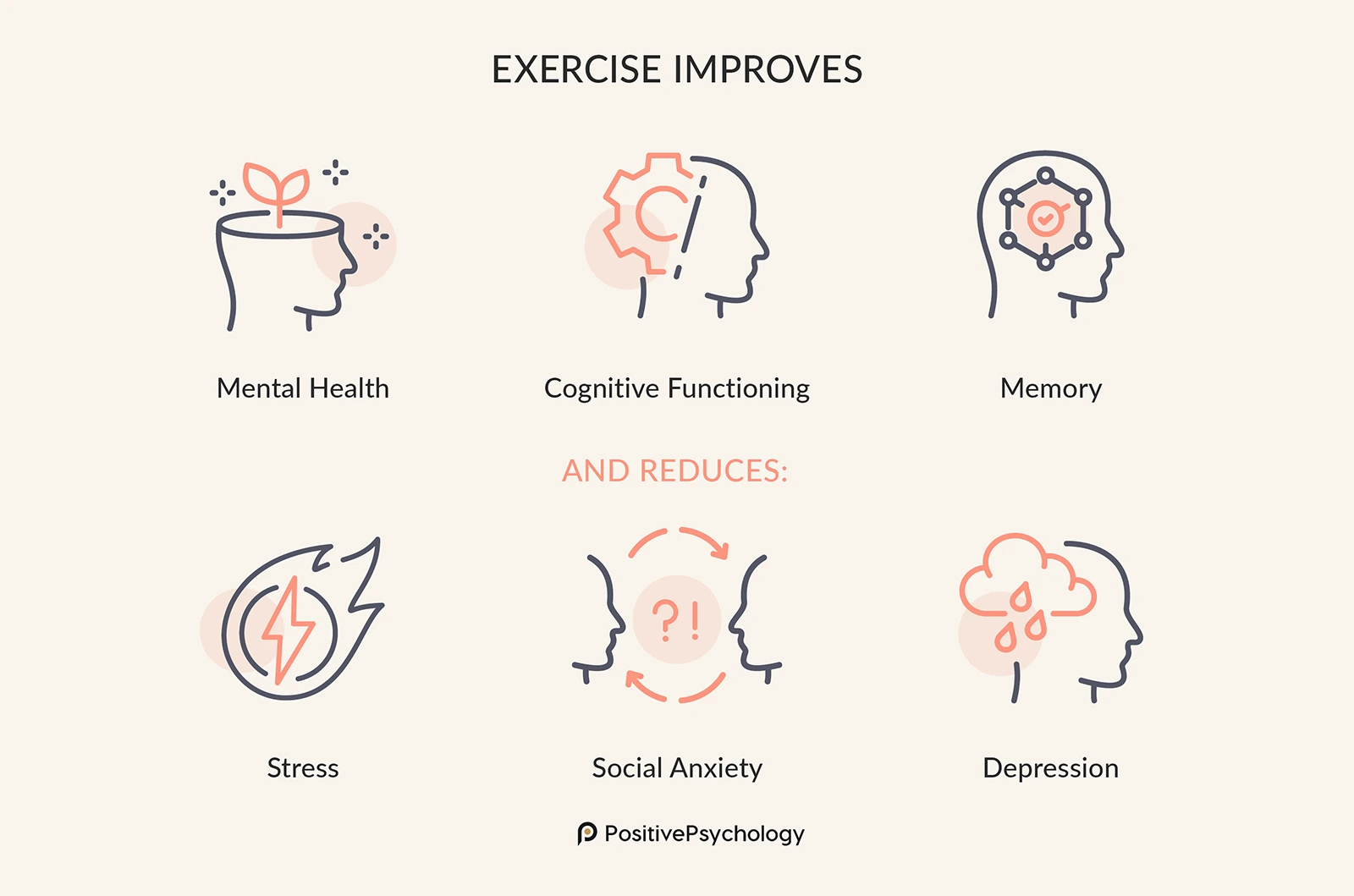

 The impact of both the culture/nature divide and Descartes’ (1596–1650) philosophical legacy in Western society still shape what we perceive to be meaningful and worthy of effort.